Date: 28/04/2025
Table Of Contents
Let’s be real, nobody exactly looks forward to their period. But since it’s a monthly reality for most women, knowing how to handle it can make a huge difference. Instead of ending up exhausted or getting snappy for no reason, understanding what helps during your period can make those tricky few days feel a lot more manageable.
From what you eat and how much you rest, to keeping your mood steady and knowing what things to avoid are all more important than you might think. Don’t let your period run the show, it’s time to take charge!
So, What Exactly Is Going On During Your Period?
Your “period,” “menstrual cycle,” or “time of the month” is a totally normal biological thing that happens roughly every month. Basically, during this phase, the levels of hormones like estrogen and progesterone in your body take a dive. This drop signals your uterus that it’s time to shed its lining, which leads to the bleeding you experience.
This whole process is a coordinated effort between parts of your brain (the hypothalamus and pituitary gland) and your ovaries. If anything disrupts this finely tuned system, it can throw off your cycle and even affect your overall health and fertility down the road.
Common Signs That Your Period Is Going to Start
When your period rolls around, you might notice some clear changes, both physically and mentally. Here are some of the usual suspects:
- Lower Abdominal Pain: That annoying ache or sharp tightening feeling in your lower belly, sometimes paired with bloating.
- Mood Swings: You might find yourself easily irritated, grumpy, feeling down, or just lacking motivation.
- Tender Breasts: Your chest area can become sensitive or slightly sore to the touch.
- Backache & Muscle Fatigue: Feeling heavy or achy, especially in your lower back or muscles.
- Skin Condition Worsens: Thanks to hormones, your skin might get oilier, leading to breakouts (hello, period pimples!).
- Sleep Disturbances: Trouble falling asleep, staying asleep, or waking up feeling like you barely slept, which leads to feeling tired all day.
The Cause of These Symptoms
So, why do we often feel this way? A big reason is a drop in serotonin. Serotonin is an important brain chemical (a neurotransmitter) that plays a key role in regulating your mood, sleep, and energy levels. When your period starts, serotonin levels can dip quite a bit, which helps explain many of the emotional ups and downs and that feeling of being physically drained.
How to Make Your Period to Feel More Comfortable
If you often feel tired, crampy, sluggish, or just generally uncomfortable when your period arrives, don’t worry too much. Making a few small tweaks to your routine can help you feel a whole lot better.
Light Exercise to Feel Less Sluggish
The idea of exercising during your period might make some people shake their heads, but don’t dismiss it just yet. Moderate aerobic workouts can actually help ease premenstrual symptoms, boost your energy, and even improve focus.
You don’t need to go for a run or do anything intense. Just try things like:
- A gentle walk in the park.
- An easy bike ride.
- Some simple yoga poses, like Child’s Pose, a Reclined Spinal Twist, or Legs Up the Wall Pose.
Quick note: Try not to exercise too close to bedtime, as it might make it harder to fall asleep.
Or, sometimes just chatting on the phone with a good friend or jotting down some thoughts in a journal is enough to lift your spirits. Just keep in mind: don’t push yourself until you’re exhausted. Listen to your body and find sensible ways to recharge your batteries.
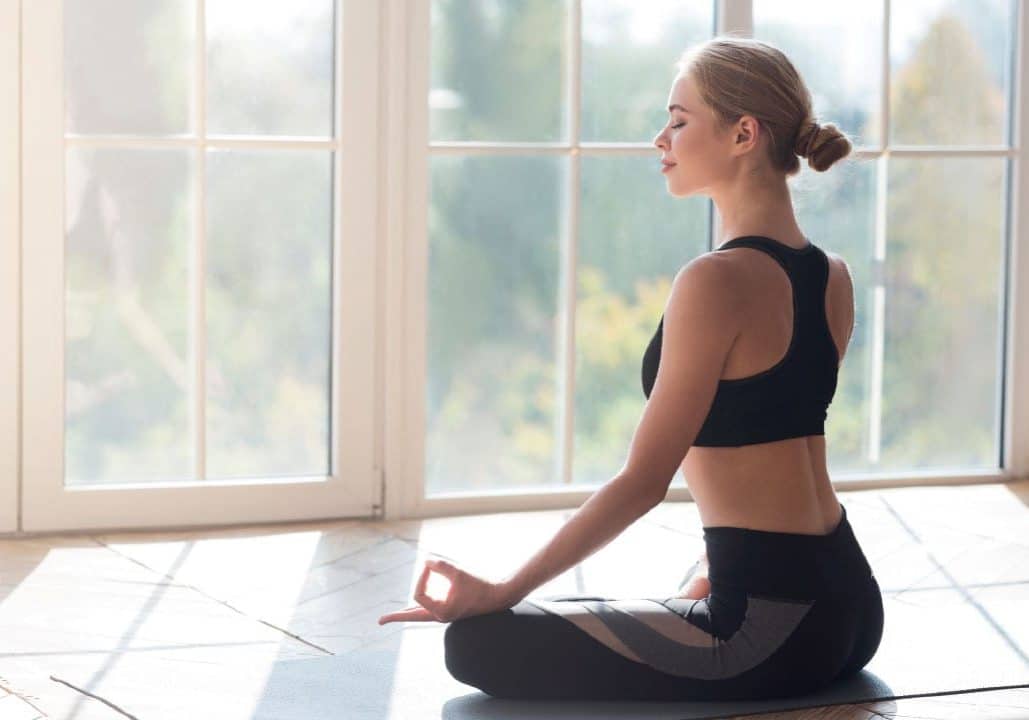
Doing yoga offers great benefits for your mental and physical health throughout your cycle.
Eat Smart to Avoid Exhaustion
Eating well before and during your period can be your secret weapon for getting through those uncomfortable days smoothly. Here are some foods that are great choices:
- Dark leafy greens (rich in magnesium and calcium).
- Whole grains.
- Legumes (like beans and lentils).
- Foods high in omega 3 fatty acids, like salmon and chia seeds.
- Yogurt which is packed with calcium and probiotics, which can really help with period cramps.
Interestingly, studies suggest getting around 1,200mg of calcium per day might lower the risk of period pain by 30% compared to getting less than 500mg.
On the flip side, try to limit foods with refined sugar like soft drinks, candy, soda, and energy drinks. They cause your blood sugar to spike and then crash, which can make you feel even more tired.
Drink Enough Water Every Day
This might seem like a small thing, but staying hydrated can significantly reduce feelings of fatigue, bloating, headaches, and irritability during your period.
You should aim for about 2 to 2.5 liters of water per day. Keep in mind that around 20% of your water intake comes from food (like water-rich fruits and veggies). So, drinking roughly 9 to 12 glasses of water itself should be enough.
If plain water gets boring, you can easily spice things up:
- Add slices of lemon, orange, cucumber, or mint for flavor.
- Make simple detox water at home.
- Eat more water-rich fruits like watermelon, cantaloupe, celery, and cucumber.
This way, you’re adding water, helping your body cleanse, and even calming your mind which is simple but highly effective!
Getting Enough Iron the Right Way
During your period, your body loses a significant amount of blood. This can cause your iron levels to drop quite a bit. Iron is essential for making red blood cells, hemoglobin, and myoglobin: the components that help transport oxygen and nourish your cells.
If you often feel tired, dizzy, or get headaches during these days, you might be low on iron. Because of this, it’s a good idea to boost your iron intake starting a few days before your period begins, especially if you tend to have long cycles or heavy bleeding. You can take an iron supplement or increase iron-rich foods in your diet, such as red meat, liver, spinach, lentils, etc
Use a Hot Compress
That dull, aching cramp pain is something many of us dread each month. One of the quickest and gentlest ways to get relief is by using a hot compress (like a heating pad or hot water bottle).
The warmth helps improve blood circulation, soothes those tight, cramping muscles, and reduces the feeling of pain. Just apply it to your lower abdomen for about 15 to 20 minutes. You can also combine it with a gentle massage for even better results.

A hot compress is one effective ‘weapon’ against uncomfortable period cramps.
Massage Your Lower Abdomen
A few simple massage movements can help relax tense abdominal muscles and limit those sudden uterine contractions, which are the main cause of pain.
Just warm your hands and then gently rub in a circular motion around your lower belly. Doing this for a few minutes each day, especially when you first start to feel pain, can make your body feel much more comfortable.
Getting a Good Sleep
Sleep plays a super important role in keeping your body and mind balanced, especially during your period.
Tips for sleeping better during your cycle:
- Stick to a regular sleep schedule, aiming for 7 to 8 hours per night.
- Avoid using your phone or computer for about an hour before bed.
- Don’t eat dinner too late or drink coffee after 5 PM.
- Keep your bedroom cool, ideally between 15.5°C and 19.5°C (that’s about 60°F to 67°F). You can use a fan, air conditioning, or open a window for ventilation.
Your body temperature often rises slightly during your period, so a cooler environment can help you fall asleep more easily and reduce feelings of discomfort.
Reduce Period Pain with Herbs
A warm cup of herbal tea or warm lemon water can be quite effective at easing period cramps. These drinks can help improve blood flow, relax uterine muscles, and reduce spasms.
Some herbs that are good to use during your period include:
- Peppermint: Helps reduce bloating and nausea.
- Cinnamon: Helps keep the body warm and soothes pain.
- Parsley, Basil, Dill: These have mild anti-inflammatory properties and can help support hormone balance.
You can use these herbs to make tea, add them to your food, or even use them for steaming.
Using Pain Relievers (If Necessary)
If the pain becomes really intense and natural remedies aren’t cutting it, pain medication is a suitable option. Common over-the-counter pain relievers often contain ingredients like ibuprofen or naproxen. These help by blocking the substances that cause inflammation and quickly reducing pain.
Important Notes:
- Don’t take these medications without checking first if you have a history of stomach, liver, or kidney problems.
- Always consult your doctor or pharmacist before using any pain reliever.
- Try not to rely on pain medication every single period, as overuse can lead to side effects like digestive upset, fatigue, and potentially even affect your menstrual cycle itself
Practice Good Hygiene
During your period, your vaginal area becomes more sensitive and vulnerable to bacteria than usual. This means it’s easier for infections to develop if you don’t practice proper hygiene.
So, what’s the right way to keep things clean down there?
- Avoid Soap: Your vaginal area is naturally sensitive. Soaps, with their strong detergents, can easily cause dryness, irritation, or a burning sensation. Instead, choose a gentle feminine wash that’s pH-balanced and made with natural ingredients.
- Wash Only Twice a Day: Washing when you wake up and before you go to bed is usually enough. Washing too often or overusing feminine washes can disrupt the natural moisture balance, making you more prone to irritation or infection.
- Change Pads/Tampons Regularly: Whether your flow is light or heavy, change your pad or tampon at least every 4 hours. Remember to wash your hands thoroughly before and after changing to avoid spreading bacteria.
If you’re looking for a great alternative to traditional pads and tampons, Émer period underwear could be your top choice. This product not only keeps you comfortable all day long thanks to its super absorbency, but it’s also extremely safe for your intimate area.
Made with a 4-layer antibacterial fabric, it fits snugly yet remains breathable, effectively prevents leaks, and doesn’t cause stuffiness or irritation. Plus, they’re reusable for up to 3 years plus, making them both budget-friendly and eco-friendly.
Say goodbye to worrying about changing pads frequently or fearing unexpected leaks: having just 3 to 5 pairs of Émer underwear might be all you need to feel free and confident, even on your period days.

Émer period underwear really is the kind of “friend” every girl wants by her side during that time of the month.
To purchase, you can visit our official store on Shopee Mall directly, or send a message through the Émer Fanpage for more detailed advice!
Important Things to Note During Your Period
Your period is a time when your body is more sensitive than usual. If you don’t take care of yourself properly, it’s easy to end up feeling tired, uncomfortable, or even run into gynecological health problems.
Here are some things you should avoid during your period to help your body feel better:
What Foods Should You Avoid During Your Period?
Some foods might be perfectly fine most of the time, but can feel like a ‘nightmare’ during your period. Here’s a list of foods that women should try to limit as much as possible when menstruating:
- Fried and Spicy Foods: These can create internal heat and potentially make cramps worse.
- Certain Legumes (like black, green, red beans): Can easily cause bloating and indigestion, making you feel even more sluggish.
- Strong Tea, Coffee, and Caffeinated Drinks: These stimulate the nervous system and can lead to sleeplessness, a rapid heartbeat, and anxiety.
- Canned and Processed Foods: Often contain high levels of preservatives, salt, and additives that aren’t great for your hormones.
- Sweet Foods and Sugary Items: Can increase feelings similar to hot flashes and make mood swings more likely.
- Pickled Foods (like pickled vegetables): Can sometimes upset your stomach or cause nausea.
- Beer, Wine, and Alcoholic Drinks: Can disrupt your hormones and interfere with your body’s natural elimination processes.
Activities to Avoid During Your Period
Beyond food, your daily habits also significantly affect your health during your period. Here are a few things women should definitely try to avoid:
- Don’t Take Long Cold Showers or Baths: Low temperatures can make your body cold, which might trigger uterine contractions and make cramps more intense.
- Avoid Tight Clothing: Clothes that are too tight can restrict blood flow, cause stuffiness in your intimate area, increase the risk of infection, and just feel uncomfortable.
- Don’t Overexert Yourself: Your body is often weaker during your period. Pushing yourself too hard can lead to exhaustion and affect your recovery and even long-term reproductive health.
- Avoid Pounding or Massaging Your Back: Even if it aches, this action can potentially increase blood flow, possibly prolonging your period and making back pain worse.

No matter how much your back aches, avoid pounding on it during your period to protect your health.
Should You Have Sex During Your Period?
The short answer: It’s generally not recommended.
Many people believe you can’t get pregnant from having sex during your period. However, this isn’t entirely true; pregnancy is still possible during this time, although the chances are lower.
Additionally, the vaginal area is more vulnerable to injury and infection during menstruation. Acidity levels decrease, and the natural self-cleaning mechanism weakens considerably. Having sex at this time significantly increases the risk of developing gynecological infections.
Your period might not be pleasant, but it doesn’t have to feel like torture if you know how to listen to your body and take care of yourself properly. Just by adjusting a few small habits: eating healthily, getting enough rest, keeping your mood stable: you can absolutely take control and get through these days without feeling completely wiped out.
As women, we don’t have to just endure it. Let’s take charge of our cycles gently, smartly, and with more awareness!